

The Evolution of Comic Book Artwork: From Golden Age to Modern Era is a fascinating journey. We’re going to look at how drawings in comic books have changed over time. It all started with the early days, and it’s led to some really impressive stuff we see today. Think about it, the way artists draw, use color, and even lay out the pages has shifted quite a bit. This article will walk you through those changes, highlighting the key moments and artists that made it all happen.
Key Takeaways
- The Golden Age laid the groundwork for comic art with iconic characters and early experimentation in panel design and color.
- Pioneering artists and collaborative efforts were vital in shaping the visual language and enduring appeal of early comics.
- Technological advances in printing significantly impacted how comics were produced and transitioned into their own medium.
- The Silver, Bronze, and Modern Eras saw comics evolve to reflect societal shifts, embrace realism, and adopt new digital techniques.
- Contemporary comic art continues to draw from its rich history, with independent comics and global influences adding new dimensions to the medium.
The Golden Age: Foundations of Comic Book Artistry
The Golden Age of comic books, roughly from the late 1930s to the early 1950s, was a time of incredible creative energy. It was when the very building blocks of the medium were being laid down, shaping how stories would be told visually for decades to come. Think of it as the primordial soup of superhero tales and adventure stories that we still enjoy today. The world was going through some big changes with the Great Depression and then World War II, and people really needed something to lift their spirits. Comics, with their bright colors and clear-cut heroes, offered that escape and a sense of hope.
Birth of Iconic Characters
This era is probably most famous for giving us some of the biggest names in pop culture. Superman, who first showed up in 1938, wasn’t just a character; he was a symbol of truth and justice when the world felt pretty unjust. Then came Batman, Wonder Woman, and Captain America, each bringing their own unique flavor to the idea of a hero. These weren’t just guys in costumes punching bad guys. They had backstories, struggles, and ideals that readers could connect with. These characters became more than just entertainment; they became cultural touchstones.
Artistic Innovation and Experimentation
Artists back then were really figuring things out as they went along. They weren’t afraid to try new things with their drawing styles. You’d see bold lines, dramatic shadows, and poses that really popped off the page. It wasn’t always about perfect realism; it was more about conveying energy and emotion. They were developing a visual language that was unique to comics, one that could tell a story quickly and powerfully. It was a freewheeling style that matched the larger-than-life adventures.
The Evolution of Panel Design
Pages in Golden Age comics weren’t just a grid of boxes. Creators started playing with how they arranged these panels. Sometimes they’d use big, splashy panels to show an important moment, or a series of smaller panels to speed up the action. This wasn’t just about making the page look pretty; it was about controlling the reader’s eye and guiding them through the story. The way panels flowed from one to the next helped build suspense or emphasize a dramatic reveal. It made the reading experience much more dynamic.
Color and Composition as Storytelling Tools
When color printing became more common, it opened up a whole new world for comic artists. Colors weren’t just decorative; they were used to set the mood. Bright reds might signal danger, while dark blues and purples could create a sense of mystery or dread. The way colors were arranged on the page, the composition, also played a big role. It helped draw attention to key elements and added a visual richness that made each comic feel like a little piece of art. It was a way to tell part of the story without even using words.
The Golden Age artists were pioneers, figuring out the visual language of a new medium. They combined dynamic drawing with creative page layouts and strategic use of color to create stories that were both exciting and emotionally engaging for readers during a challenging time in history.
Pioneering Artists and Their Enduring Impact
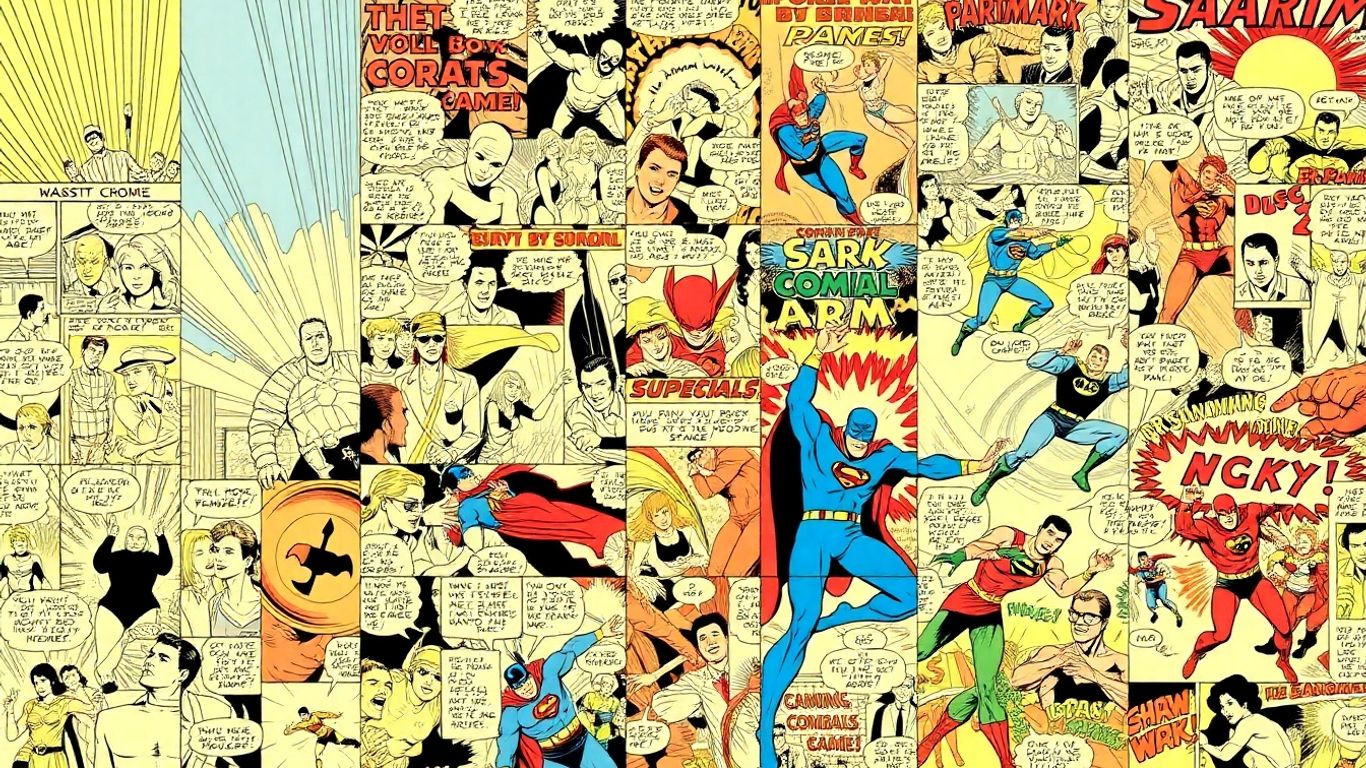
The early days of comic books were a wild west of creativity, and a handful of artists really set the stage for everything that came after. These folks weren’t just drawing pictures; they were figuring out a whole new way to tell stories visually. It was a time of figuring things out as they went along, and that’s part of what makes their work so fascinating. They had to deal with a lot, too, like censorship and changing economic times, but they kept pushing forward.
Collaboration That Sparked Innovation
Sometimes, great ideas come from people working together. In the early comic book scene, artists and writers often bounced ideas off each other. This back-and-forth helped shape characters and plots in ways that might not have happened if everyone worked in isolation. Think about how many iconic duos there are in comics – it’s not always just one person’s vision.
The Impact of Editorial Guidance
Editors played a pretty big role back then, even if it’s not always obvious. They were the ones who had to make sure stories fit the available space, met certain standards, and generally made sense to a wide audience. While sometimes this meant creative limits, it also pushed artists to be smarter with their storytelling. They had to find ways to convey a lot of information and emotion without a lot of room to spare.
Crafting a Persona That Endures
Creating characters that people connect with is tough. The artists of this era were masters at giving their heroes and villains distinct looks and personalities. It wasn’t just about drawing a cool costume; it was about making you feel something for the character. This attention to detail is why characters from the Golden Age of Comics are still around today, influencing new stories and designs.
Visual Distinction and Symbolism
These artists used bold lines, bright colors, and dramatic layouts to grab your attention. They also got really good at using symbols. A simple emblem or a specific pose could say a lot without needing a lot of words. This visual language is something that comic artists still use all the time.
- Bold Colors: Used to make characters pop and convey emotion.
- Dynamic Poses: Action shots that made the pages feel alive.
- Symbolic Imagery: Simple visuals that carried deeper meaning.
The pressure to create characters that resonated with the public, while also navigating the constraints of early publishing, forced a unique kind of ingenuity. Artists learned to communicate complex ideas and emotions through visual cues, setting a standard for visual storytelling that continues to be studied and admired.
Technological Advancements Shaping Visual Narratives
It’s easy to think of comic books as just stories on paper, but the way they looked and how they got to us changed a lot over time, thanks to new tech. Back in the day, printing was a big deal. The machines got better, meaning comics could be made faster and sent out to more places. This wasn’t just about speed; it meant the pictures could look sharper and the colors brighter, making the whole experience more engaging for readers.
Advances in Printing Technology
Think about how comics used to be made. Early on, it was pretty basic. But as printing presses got more sophisticated, especially with the introduction of offset lithography, things really started to change. This new method allowed for much finer detail and a wider range of colors to be printed accurately. This shift from simpler, often cruder printing methods to more advanced techniques directly impacted the visual quality of comic books, allowing artists to showcase more intricate linework and richer color palettes. It meant that the vibrant worlds and dynamic characters could be presented with a clarity that just wasn’t possible before. It was a game-changer for how comics looked and felt.
The Transition from Magazines to Comic Books
Comics didn’t just appear out of nowhere. They evolved from newspaper comic strips and were often reprinted in magazines or as standalone pamphlets. The move to dedicated comic books, however, was significant. It gave creators more space to tell longer, more complex stories. Instead of being a few panels in a daily paper, a comic book could be a full 32-page adventure. This extra room allowed for more detailed artwork, more developed plots, and a greater exploration of character. It was this transition that really allowed the comic book to become its own distinct medium, separate from its newspaper origins.
The Role of Costuming and Visual Effects
As printing got better, artists could really play with how characters looked. Costumes became more detailed, with textures and shading that made them pop off the page. Think about the early days of Superman’s suit or Batman’s cape – these weren’t just simple designs. Artists used the improved printing to add depth and realism, even within the stylized world of comics. Beyond costumes, visual effects in artwork also saw a boost. Things like speed lines, dramatic lighting, and exaggerated expressions could be rendered with more impact. This allowed for more dynamic action sequences and heightened emotional moments, making the visual storytelling much more powerful. It was about using every bit of the page to create a memorable experience for the reader.
The evolution of printing technology wasn’t just about making comics cheaper or faster; it was about enabling artists to push the boundaries of visual storytelling. Better inks, sharper plates, and more vibrant color reproduction meant that the imagination of the creators could be translated onto the page with greater fidelity and impact, directly shaping the aesthetic and narrative possibilities of the medium.
The Silver Age: Evolving Styles and Themes
Post-War Optimism and Reflection
The Silver Age of comics, roughly spanning from the mid-1950s to the early 1970s, really felt like a new chapter. After the intensity of World War II, there was this general feeling of looking forward, a kind of hopeful vibe in the air. Comics started to reflect that, with brighter stories and a more optimistic outlook. It wasn’t just about saving the world anymore; there was a growing interest in science fiction, space exploration, and the general wonder of the unknown. Think of the Fantastic Four’s adventures or the Flash’s super-speed escapades – they captured that sense of progress and discovery.
Comics as Cultural Commentary
But it wasn’t all just fun and games. Even with the optimism, comics started to subtly comment on what was happening in society. They became a kind of mirror, showing us our own hopes and anxieties. Issues like the Cold War, the space race, and even early environmental concerns started to creep into the narratives. It was a way for creators to engage with the world around them, and for readers to see their own experiences reflected in the stories. This period saw a shift from pure escapism to something a bit more thoughtful, making comics more than just entertainment. They became a way to talk about the times we were living in, offering a unique lens on cultural shifts.
Shifting Gender Roles and Social Issues
This era also saw some interesting changes in how characters, especially female ones, were portrayed. While the Golden Age had strong female characters like Wonder Woman, the Silver Age sometimes leaned into more traditional roles, but there were also seeds of change. You started seeing more complex female characters who weren’t just damsels in distress. Beyond that, comics began to touch on more sensitive social issues, albeit carefully due to the existing censorship. Topics like prejudice and the civil rights movement, while not always front and center, started to appear, showing a growing awareness and a willingness to explore different facets of the human experience. It was a slow evolution, but definitely a step towards more diverse storytelling.
Here’s a look at some of the thematic shifts:
- Rise of Science Fiction: Increased focus on space, aliens, and futuristic technology.
- Team Dynamics: The popularity of superhero teams grew, emphasizing cooperation and diverse powers.
- Subtle Social Commentary: Early explorations of societal issues and anxieties.
- Character Development: More attention paid to the personal lives and motivations of heroes.
The Silver Age was a time of transition, where the bold foundations of the Golden Age met a changing world. Artists and writers began to experiment with new themes and styles, reflecting a society grappling with both newfound optimism and emerging social complexities. This era proved that comic books could be both thrilling adventures and thoughtful reflections of their time.
The Bronze and Modern Eras: Diversification and Detail
The Bronze and Modern Eras really saw comics branch out, moving beyond just capes and tights. It was a time when artists and writers started digging into more complex stuff, and the art itself got a lot more detailed. Think of it as comics growing up, tackling heavier themes and showing them with a sharper, more refined visual style.
Increased Realism and Grittier Narratives
During the Bronze Age, which roughly spanned from the early 1970s to the mid-1980s, there was a noticeable shift towards more grounded storytelling. Artists began to move away from the bright, almost cartoonish look of earlier eras. Instead, they embraced a style that leaned into realism, with more detailed anatomy, realistic lighting, and a grittier aesthetic. This wasn’t just about making things look
Contemporary Masterpieces and Artistic Trends
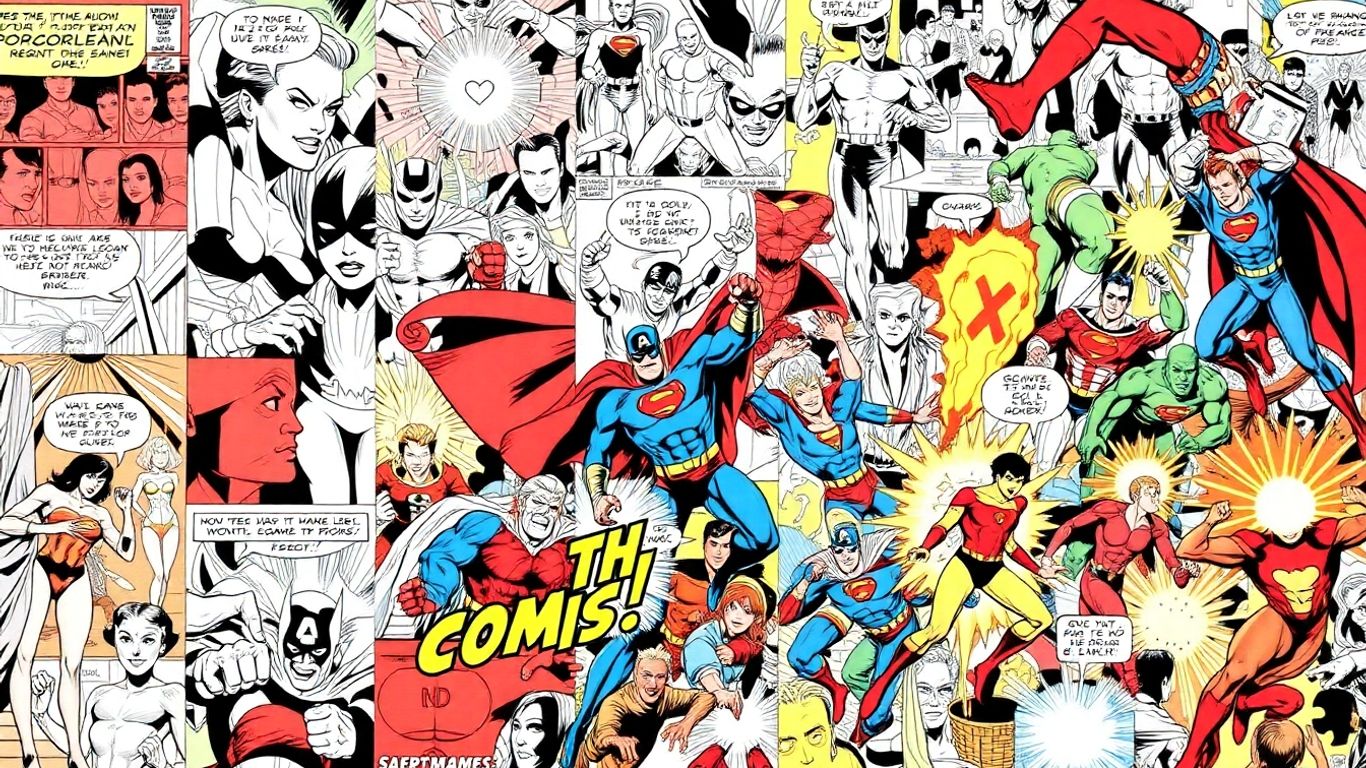
It’s pretty wild to think about how far comic art has come, right? We’re talking about the stuff happening now, the really current scene. It feels like every artist is doing their own thing, and that’s kind of the beauty of it. We’re seeing a huge explosion in independent comics, and honestly, that’s where a lot of the really fresh ideas are bubbling up. These creators aren’t tied to the big publishers, so they can really push boundaries and tell stories that might not fit the mainstream mold. It’s a whole different vibe, and it’s awesome.
The Rise of Independent Comics
This whole indie scene is a game-changer. You’ve got artists self-publishing, using platforms like Webtoons or Tapas, or working with smaller presses. It means we get a massive variety of styles and subjects. Think personal stories, experimental narratives, and genres you might not see anywhere else. The accessibility of digital tools has really leveled the playing field. It’s not just about superheroes anymore; it’s about everything. You can find comics about everyday life, historical events, fantasy worlds, you name it. It’s a really exciting time for creators to get their work out there without needing a huge studio behind them. It’s a direct connection between the artist and the reader, which is pretty cool.
Global Influences on Comic Art
And it’s not just American artists anymore, either. Comics are a global language, and we’re seeing influences from all over the world really shaping the look and feel of what’s being made. Manga from Japan, of course, has been a massive influence for decades, but now we’re seeing more from Europe, Latin America, and other regions. This cross-pollination of styles is leading to some really unique visual fusions. You might see a character design that has a distinctly European flair mixed with storytelling techniques that feel very Asian. It’s making comic art richer and more diverse than ever before. It’s like a big, creative melting pot.
Character Redesigns and Artistic Evolution
Even the established characters, the ones we’ve known for ages, are constantly being re-imagined. Artists take these familiar figures and put their own spin on them, updating their looks, their costumes, and sometimes even their core personalities. This isn’t just about making them look ‘modern’; it’s about exploring new facets of who they are and what they represent. It keeps the characters fresh and relevant for new generations of readers. It’s a way of showing how these icons can adapt and continue to speak to our times.
The constant evolution of character design and artistic interpretation ensures that comic book characters remain dynamic and engaging. This process allows for a continuous dialogue between the past and the present, making these beloved figures accessible and compelling to new audiences while still honoring their rich history.
The Lasting Legacy of Comic Book Art
It’s pretty wild to think about how far comic book art has come, right? From those early days, it’s really become something special. The impact these artists and their creations have had is just massive, shaping not just comics but movies, TV, and even how we tell stories in general. It’s like a continuous loop of inspiration. New artists look back at the old stuff, get ideas, and then create new things that inspire even more artists down the line. It’s a pretty cool cycle.
Inspiring Future Generations of Artists
Think about it: every artist starting out today, whether they’re drawing superheroes or something totally different, owes a debt to the pioneers. They showed us what was possible with ink and paper. They proved that you could create entire worlds and characters that people would connect with for decades. It’s not just about copying styles; it’s about understanding the creativity and the guts it took to try new things back then. That spirit is still alive and kicking in the comic world.
A Benchmark for Quality and Creativity
When you look at some of the classic comic art, even with the limitations of the time, there’s a real craft there. The way they used panels, the way they colored things (even if it was a bit basic by today’s standards), it all worked to tell a story. It set a standard. It showed that comics weren’t just throwaway entertainment; they could be art. This high bar is something artists still aim for, pushing themselves to be more detailed, more dynamic, and more emotionally expressive.
Revival and Reinterpretation in Modern Comics
We see it all the time now. Old characters get new looks, classic stories get retold with a modern twist. It’s not just about nostalgia; it’s about taking those foundational ideas and seeing what new things can be done with them. Artists and writers are constantly finding fresh ways to explore these characters and their worlds, proving that the core concepts are strong enough to last. It’s like they’re breathing new life into old friends, and it’s exciting to see where they take them next.
The journey of comic book art is a testament to human imagination. It’s a visual language that has evolved, adapted, and consistently found new ways to connect with audiences across different eras and cultures. The dedication of creators, coupled with the enthusiasm of fans, ensures this art form continues to thrive and influence.
Here’s a quick look at how different eras built upon each other:
- Golden Age: Established iconic characters and basic panel layouts. Focused on clear, bold visuals.
- Silver Age: Introduced more dynamic posing and slightly more detailed backgrounds. Experimentation with sci-fi and fantasy themes.
- Bronze Age: Began incorporating more realism and grittier tones. Storylines started tackling more complex social issues.
- Modern Era: Saw a huge leap in detail, sophisticated coloring, and diverse artistic styles. Digital tools became prominent.
A Legacy That Continues to Inspire
Looking back, it’s clear the Golden Age of comics wasn’t just a fleeting trend. It was a time when artists and writers really figured out how to make comic books something special, blending exciting visuals with stories that mattered. They took risks, experimented with how pages looked, and used color in ways that pulled you right into the action. Even today, you can see that same spirit in the comics and movies we love. The heroes they created, the ways they told stories – it all laid a path for where we are now. It’s pretty amazing to think that these old comic books, born out of tough times and big ideas, still have such a strong hold on us and continue to spark new creativity. The magic they captured is definitely still alive.
Frequently Asked Questions
What was the Golden Age of comic books, and why is it important?
The Golden Age, roughly from the late 1930s to the early 1950s, was when comic books really took off. It’s important because it’s when many of our most famous superheroes, like Superman and Batman, were created. The art and stories from this time set the stage for everything that came after, influencing how comics are made even today.
How did the art style change from the Golden Age to later periods?
In the Golden Age, art was often bold and colorful, focusing on clear action and character designs. As time went on, especially into the Silver, Bronze, and Modern Ages, art became more detailed and realistic. Artists started exploring different camera angles, more complex panel layouts, and even digital tools, making the art more dynamic and varied.
What role did technology play in how comic books looked?
Better printing technology made comics brighter and more detailed over time. Early comics used simpler printing, but as technology improved, artists could use more colors and finer lines. Later, digital art tools completely changed how comics were made, allowing for effects and styles that were impossible before.
Are Golden Age comics still popular today?
Yes, absolutely! Many people collect Golden Age comics because they are historically important and feature iconic characters. They are seen as valuable pieces of art and history. Plus, modern comics often bring back characters and themes from this era, keeping them alive for new fans.
How did social issues influence comic book art and stories?
Comics have always reflected the times they were made in. During the Golden Age, heroes often represented hope during tough times like the Great Depression and World War II. Later, comics started tackling more complex social issues, like civil rights and changing roles for women, with art styles that became more realistic to match these serious themes.
What makes modern comic book art different from older styles?
Modern comic art is incredibly diverse. You’ll find everything from highly realistic, detailed drawings to unique, stylized art in independent comics. Digital art is a big part of it, allowing for amazing effects and easier creation. Plus, artists today are influenced by a wider range of global art styles and are constantly experimenting with new ways to tell stories visually.


