

Getting into collecting carded figures can be super fun, but keeping them looking good is a whole other story. You want to make sure those awesome figures stay in the best shape possible, right? This guide is here to help you figure out the whole grading and preservation thing. We’ll break it down so it’s not so confusing. Think of this as A Beginner’s Guide to Grading and Preserving Carded Figures. We’ll cover why grading matters, how to get Grading & Preserving Carded Figures.
Key Takeaways
- Grading helps show off your figure’s condition and can make it more appealing to buyers, but it costs money and takes time.
- Always handle your figures and their packaging with clean hands, touching only the edges when possible to avoid smudges or damage.
- Store your figures in a cool, dry place away from direct sunlight to prevent fading or material degradation.
- For figures you plan to grade, consider protective measures like clear plastic cases to prevent dings or tears on the card.
- Not every figure needs to be graded; focus on valuable or rare items if you’re looking to increase resale value or ensure authenticity.
Understanding The Grading Process
So, you’ve got a collection of carded figures, and you’re wondering what all the fuss is about grading. It might seem a bit much at first, but honestly, it’s a pretty big deal if you care about the condition and potential value of your toys. Think of it like getting a report card for your action figures. It’s a way for experts to look at your figure and its packaging and give it a score based on how close to perfect it is. This score isn’t just some random number; it’s a standardized way for collectors and sellers to talk about condition. This standardized score is what makes trading and selling much easier and more trustworthy.
Why Grading Matters For Your Collection
Grading is more than just getting a number. It’s about having a consistent way to talk about how good a condition your item is in. When you have a graded figure, everyone knows what that grade means. It helps you understand what your collection is worth, too. A figure that’s in amazing shape, with a perfect box and no flaws, is going to be worth a lot more than one that’s seen better days. Plus, grading services often check if the item is real, which is a nice bonus. They also put the figure in a special case, which helps keep it safe from dust and damage. It’s like giving your favorite toy a suit of armor.
The Grading Scale Explained
Most grading services use a scale, usually from 1 to 100, though some might use a 1-10 scale with decimals. A perfect score, like a 100 or a 10, means the item is as close to flawless as you can get. This includes the figure itself and, importantly for carded figures, the packaging. A lower score means there are more issues. These issues could be anything from a dent in the plastic bubble to a crease on the card or even fading on the artwork. It’s important to know that different grading companies might have slightly different ideas about what makes a perfect score, but they all look at similar things.
Here’s a general idea of what the numbers might mean:
- 95-100 (Gem Mint/Mint): Almost perfect. Very minor, almost invisible flaws. The dream score.
- 90-94 (Near Mint/Mint): Still looks fantastic, but maybe a tiny, tiny imperfection you’d need a magnifying glass to see.
- 80-89 (Excellent/Very Fine): Shows some minor wear, like a small crease or a slight ding on a corner, but still looks great overall.
- 70-79 (Fine): Noticeable wear, like a few creases, maybe some edge wear on the card, or slight fading.
- Below 70 (Good/Poor): Significant damage. This could be major creases, tears, heavy fading, or damage to the figure itself.
Remember, even a small flaw can drop a grade significantly. It’s all about the details.
Key Factors In Determining A Grade
When a grader looks at your carded figure, they’re not just glancing at it. They’re examining several things very closely. The main things they focus on are:
- The Card (Backing Card): They check for creases, tears, dents, color breaks, and any signs of wear around the edges or corners. The flatness of the card is also important.
- The Bubble (Plastic Window): Is it clear and scratch-free? Are there any cracks, dents, or signs of separation from the card? Yellowing is also a common issue.
- The Figure: While the focus is often on the packaging, they’ll also check if the figure itself has any paint defects or damage, especially if it’s visible through the bubble.
- Centering: For the card itself, how well is it centered behind the bubble? Is there more border on one side than the other? This is a big one for many collectors.
- Overall Presentation: Does everything look clean and well-assembled? Any signs of tampering or damage from poor storage?
Preparing Your Carded Figures For Grading
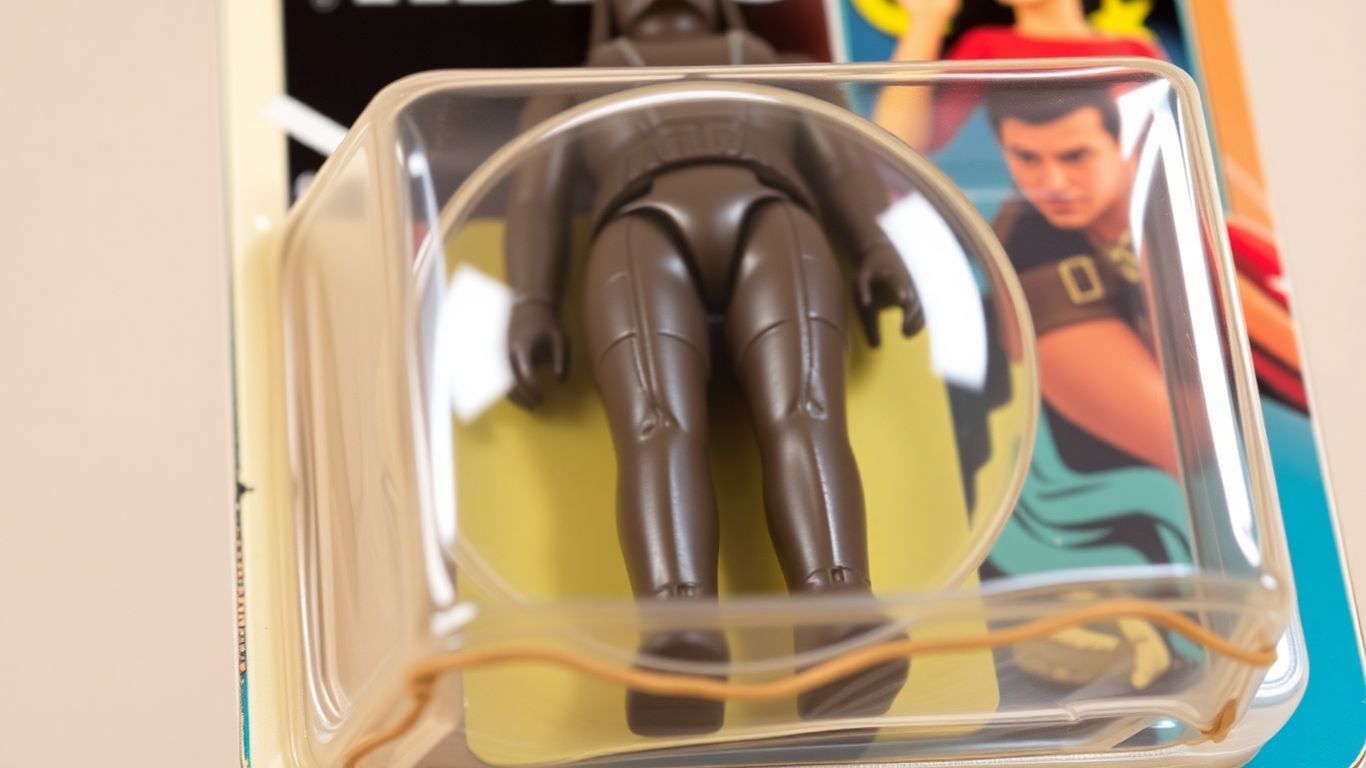
Alright, so you’ve decided to get some of your prized carded figures graded. That’s a big step! Before you even think about sending them off, you’ve got to get them ready. This isn’t just about tossing them in a box; it’s about making sure they arrive in the best possible shape so they can get the grade they deserve. Think of it like getting ready for a big exam – you wouldn’t show up unprepared, right? Same goes for your collectibles.
Handling Figures With Care
This is probably the most important part. You’ve probably handled these figures a million times, but now you need to be extra careful. Always handle your carded figures by the edges of the card or the plastic bubble. Avoid touching the surface of the card or the bubble itself. Fingerprints might seem minor, but over time, oils from your skin can actually affect the finish or even cause discoloration, especially on older cards. If you’re removing a figure from a shelf or a display case, use two hands and support the card from underneath. It might feel a little awkward at first, but it’s way better than accidentally bending the card or dinging a corner.
Essential Protective Measures
Once you’ve handled your figure with the utmost care, it’s time to add some protection. For carded figures, this usually means a protective case. You’ll want something that fits snugly but doesn’t put too much pressure on the card or bubble. Many collectors use clear plastic cases specifically designed for action figures. These cases not only prevent scuffs and scratches on the bubble but also help keep the card itself from bending or creasing. Some cases even offer UV protection, which is great if your figures are displayed near a window.
Here’s a quick rundown of what to look for:
- Material: Opt for sturdy, clear plastic like PET or acrylic. Avoid flimsy materials that can easily crack.
- Fit: The case should be a snug fit for your specific figure’s card size. Too loose and it won’t offer much protection; too tight and you risk damaging the packaging.
- Closure: Look for cases with secure closures, like interlocking tabs or a friction fit, to keep dust and debris out.
Cleaning And Inspection Tips
Before you put your figure in its protective case, give it a good look-over. This is your chance to spot any minor issues that might affect the grade. Use a soft, dry microfiber cloth to gently wipe away any dust or smudges from the plastic bubble. Be extremely careful not to scratch the bubble or the card. For the card itself, a gentle dusting with a soft brush or a dry cloth is usually all you need. Avoid using any liquids or cleaning solutions, as these can damage the cardstock or ink. Check the corners for any wear, look along the edges for dings or creases, and examine the surface for any tears or stains. Knowing the condition beforehand helps you set realistic expectations for the grading outcome.
It’s easy to get caught up in the excitement of grading, but remember that the goal is to preserve the item’s condition. Any attempt to clean or alter the figure or its packaging should be done with extreme caution, as improper techniques can cause more harm than good. Sometimes, less is more when it comes to preparation.
Choosing The Right Grading Service
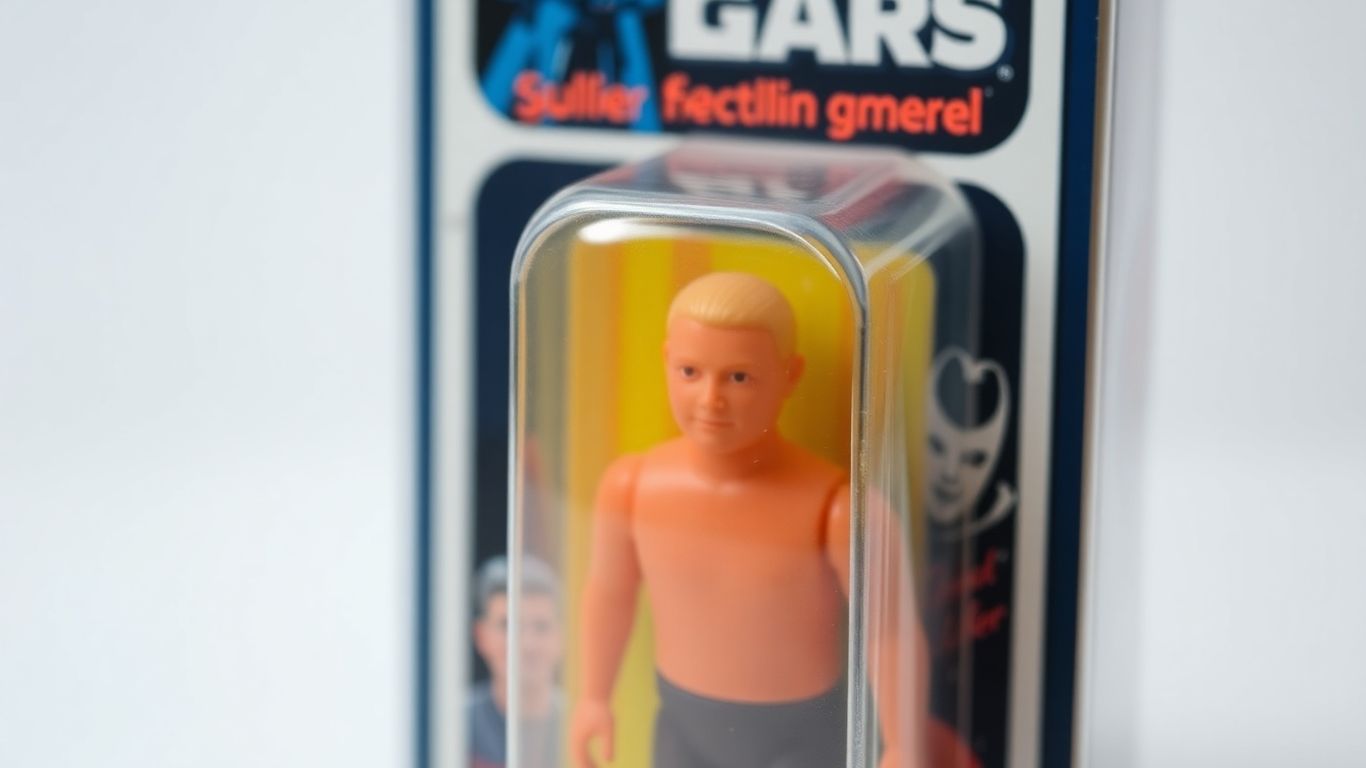
So, you’ve decided to get some of your prized carded figures graded. That’s a big step! But before you send off your treasures, you need to pick the right company to do the job. It’s not a one-size-fits-all situation, and the service you choose can really impact how your figure is perceived and valued.
Popular Grading Companies
When it comes to grading action figures, there are a few big names that collectors tend to trust. You’ll see these companies mentioned a lot in online forums and at toy shows. Each has its own way of doing things, and some might be better suited for certain types of figures or collector preferences.
- AFA (Action Figure Authority): This is probably the most well-known and established service specifically for action figures. They’ve been around for a while and have a pretty solid reputation for their grading standards. They focus heavily on the condition of the packaging, which is super important for carded figures.
- CAS (Collectible Action Grading): Another option that collectors consider. They also evaluate the figure and its packaging, aiming to provide a reliable grade.
- Other Services: Depending on the specific collectible, you might also see services that grade a wider range of items, including action figures. It’s always a good idea to see what the community is saying about any service before you commit.
It’s really important to research each company’s track record and see examples of their graded figures.
Understanding Submission Tiers
Once you’ve picked a grading service, you’ll notice they usually have different ways you can submit your items, often called
Best Practices For Preserving Carded Figures
Optimal Storage Environments
Keeping your carded figures in good shape long-term really comes down to where you store them. Think of it like storing old photos – you wouldn’t leave them in a damp basement or a hot attic, right? The same goes for your collectibles. The biggest enemies here are humidity, extreme temperatures, and direct sunlight. Too much moisture can warp the cardboard backing or even cause mold, while heat can make plastic brittle and fade colors. Sunlight is a real killer for colors, especially on the packaging. The ideal spot is a cool, dry place with stable temperatures, away from windows. A closet inside your home, or a dedicated shelf in a room with consistent air conditioning, is usually a good bet. Avoid garages, attics, or basements if they experience wild temperature swings or dampness.
Selecting Appropriate Display Cases
Displaying your figures is part of the fun, but it needs to be done carefully. For carded figures, you’ll want something that protects the card and the bubble without damaging either. Acrylic display cases are a popular choice. They offer good protection against dust and accidental bumps. When choosing a case, make sure it fits your figure snugly but not so tight that it puts pressure on the bubble or card. Some cases have UV protection, which is a nice bonus if you’re displaying them in an area that gets some light. For figures you’re not actively displaying, archival-quality plastic bags or sleeves can add a layer of protection before they go into a larger storage bin. Just make sure whatever you use is made from materials that won’t degrade or react with the plastic or cardboard over time.
Preventing Common Forms Of Damage
There are a few common ways carded figures can get damaged, and knowing them helps you avoid them. First off, handling. Always hold the figure by the edges of the card, not by touching the bubble or the card surface itself. Fingerprints can leave oils that might not be visible immediately but can cause discoloration or damage over time, especially on glossy packaging. Another big one is shelf wear. This is the scuffing and creasing that happens to the edges and corners of the card from being moved around or rubbing against other items. Storing them properly, as mentioned, helps a lot. Also, be mindful of pests – insects can sometimes chew through cardboard. Keeping your storage area clean and sealed can help prevent this. Finally, avoid stacking heavy items on top of your carded figures, as this can crush the packaging.
When it comes to preserving your carded figures, think about the long game. It’s not just about keeping them looking nice today, but ensuring they’re in the best possible condition for years down the line. Small, consistent efforts in handling and storage make a huge difference over time. Don’t underestimate the impact of a stable environment and protective enclosures.
When Grading Is A Smart Investment
So, you’ve got a bunch of carded figures, and you’re wondering if sending them off to get graded is actually worth the hassle and the cash. It’s a good question, and the short answer is: it depends. Not every figure needs a fancy plastic case to be appreciated, but for some, grading can make a big difference. It’s all about identifying which pieces in your collection stand to gain the most.
Identifying High-Value Collectibles
First off, let’s talk about what makes a figure a good candidate for grading. Generally, you’re looking at figures that are either rare, highly sought-after, or have a significant history. Think about limited edition runs, figures from popular but short-lived toy lines, or even common figures in absolutely pristine condition that are hard to find that way.
- Rarity: Is it a figure that wasn’t produced in huge numbers?
- Demand: Are collectors actively searching for this specific figure?
- Condition: Even common figures can be valuable if they’ve somehow survived decades without a single ding or fade.
- Completeness: Does it have all its original accessories and packaging intact?
If a figure ticks a few of these boxes, it’s probably worth looking into grading. It’s like finding a diamond in the rough – you want to make sure it’s polished and presented properly.
Grading For Enhanced Resale Value
This is where grading really shines for many collectors. When you get a figure graded, you’re essentially getting an expert opinion on its condition, sealed in a protective case. This takes a lot of the guesswork out for potential buyers. If you’re thinking about selling, a high grade can significantly boost what you can ask for. Buyers often feel more confident paying a premium for a graded item because they know exactly what they’re getting.
Here’s a quick look at how condition can impact value:
| Condition Description | Potential Value Impact |
|---|---|
| Near Mint / Mint | Significant Increase |
| Excellent | Moderate Increase |
| Good | Little to No Increase |
| Fair / Poor | Decrease |
Remember, the grading scale is pretty strict. A figure that looks great to you might get a slightly lower grade than you expect, which can affect the value boost. But for those figures that score a 9 or 10? That’s where you see the real jump.
When To Consider Keeping Figures Ungraded
Now, not everything needs to be graded. Honestly, it can get expensive, and sometimes the cost of grading outweighs the potential increase in value, especially for less rare items. If you have a figure that’s more for your personal enjoyment and you don’t plan on selling it, then maybe skip the grading.
Grading is a tool, not a requirement. If your goal is to enjoy your collection, display it, and pass it down without the intention of selling, then keeping your figures in their original packaging, perhaps with some protective sleeves or display cases, is perfectly fine. The joy of collecting often comes from personal connection, not just market value.
Also, consider the cost. Grading services charge fees, and if the figure itself isn’t worth much more than the grading cost, it’s probably not a smart move. A general rule of thumb is if the potential resale value after grading doesn’t significantly exceed the grading fee plus the original value, you might want to hold off. Keep your money for figures that will truly benefit from the process.
Navigating The Grading Submission
Alright, so you’ve picked out your figures, maybe even gotten them graded. Now comes the part where you actually send them off. It can feel a little nerve-wracking, sending your prized possessions through the mail, but with a bit of planning, it’s totally manageable. Think of it like sending a really important letter – you want to make sure it gets there safe and sound.
Completing Submission Forms Accurately
This is where you tell the grading company all about your items. You’ll usually fill out a form online or on paper. It’s important to be honest and detailed here. You’ll list each figure, its name, and maybe even a brief description. Some services might ask for the year it was released or any specific variations. Accuracy on these forms is key because it helps the graders identify your items correctly and ensures the label on the final graded case matches what you sent. If you’re submitting a whole bunch of stuff, it’s a good idea to keep your own spreadsheet or list handy so you don’t mix anything up. This is also where you’ll select the type of service you want, like standard or expedited, which affects the cost and how long you wait. For wrestling figures and other memorabilia, you can find a wide variety of items to add to your collection here.
Packaging For Safe Transit
This is probably the most hands-on part. You want to pack your figures so they can survive a tumble or two. For carded figures, the goal is to protect that carded bubble and the card itself. Start by making sure the figure is clean and free of dust. Then, you’ll want to put it in some kind of protective sleeve or case. Many collectors use clear plastic cases specifically designed for carded figures. These add a layer of protection against dents and scratches. When you’re packing the box, don’t just toss the figures in. Use plenty of packing material like bubble wrap, packing peanuts, or crumpled paper to fill all the empty space. The idea is that the box shouldn’t shift around when you shake it. You want to create a buffer zone around each figure. Some people even double-box, meaning they put the individually protected figures into a smaller box, and then put that smaller box into a larger shipping box. It might seem like overkill, but it really helps prevent damage during transit.
Receiving Your Graded Figures
After what feels like an eternity, your graded figures will arrive back home. When the package shows up, take a moment to inspect the outer shipping box for any signs of damage. If the outer box looks okay, carefully open it and check the grading company’s packaging. Most services do a pretty good job of securing the graded items inside. Once you get your figures out of their protective holders, give them a good look. Check the grade on the label and compare it to what you were expecting. Also, make sure the figure inside the case is exactly what you sent in. If anything looks off, like the case is damaged or the grade seems completely wrong, contact the grading service right away. They usually have a process for addressing these kinds of issues. It’s a good idea to keep records of your submission, including photos you took before sending them off, just in case.
When you’re sending items out for grading, remember that the grading company is essentially acting as a third-party authenticator and condition assessor. Their opinion is what you’re paying for, and while they strive for consistency, human error can occur. It’s wise to have realistic expectations about the grades you might receive, especially for items that aren’t in perfect condition from the start. A low grade on a modern card, for instance, can sometimes decrease its market value because it confirms existing flaws.
Wrapping It Up
So, we’ve gone over how to handle your carded figures, what to look for when grading, and how to keep them safe. It might seem like a lot at first, but really, it’s just about being careful and knowing what makes a figure valuable. Think of it like taking care of a classic car – you want to keep it in the best shape possible. Whether you’re grading for fun, to sell later, or just to have a record of your collection’s condition, the main thing is to protect your investment and enjoy the hobby. Don’t stress too much about getting perfect grades every time; the most important part is that you’re preserving something you care about. Keep learning, keep collecting, and most importantly, have fun with it!
Frequently Asked Questions
What exactly is card grading and why should I care about it?
Card grading is like giving a report card to your collectible cards. Experts look at things like how well the picture is centered on the card, the condition of the corners and edges, and if the surface is scratched or damaged. They give the card a score, usually from 1 to 10. You should care because a higher score means the card is in better shape and is usually worth more money. It’s a way to prove your card is in great condition and to get a fair price if you ever decide to sell it.
How do I get my action figures ready to be graded?
Before sending your action figures for grading, it’s super important to handle them with care. Always use clean hands or gloves, and try not to touch the plastic or paint too much. Make sure the figure is complete, with all its accessories. Check the packaging for any dents, tears, or fading. Sometimes, gently cleaning the plastic bubble or the card itself with a soft cloth can help, but be very careful not to cause any scratches or damage.
What are the most popular companies that grade collectibles?
For trading cards, the most well-known grading companies are PSA (Professional Sports Authenticator) and Beckett Grading Services (BGS). For action figures, the Action Figure Authority (AFA) is a popular choice. It’s a good idea to look up these companies and see what their grading standards are like to make sure they fit what you’re looking for.
How should I store my graded or ungraded carded figures to keep them safe?
To keep your carded figures in the best condition, store them in a cool, dry place away from direct sunlight, which can fade colors. Avoid places with lots of humidity, as it can warp the cardboard. Using clear plastic display cases or boxes designed for carded figures will protect them from dust, bumps, and accidental damage. Make sure they aren’t stacked too high, as this can put pressure on the packaging.
Is it always worth it to get my collectibles graded?
Not always. Grading costs money, usually between $15 to $50 per item, and it takes time. It’s generally a smart move for rare or valuable items, especially if you think they might get a high grade (like a 9 or 10). If you plan to sell the item, grading can make it more appealing to buyers and potentially increase its value. However, for common or less valuable items, the cost of grading might be more than the item’s worth, even with a good grade.
What happens after I send my items to a grading service?
Once you send your collectibles in, the grading company will carefully examine each item based on their specific rules. They’ll check for things like condition, authenticity, and completeness. After they decide on a grade, they’ll usually put the item inside a special, sealed plastic case, often called a ‘slab.’ This case will have a label showing the grade and other details. Then, they’ll send your graded item back to you.


